Description
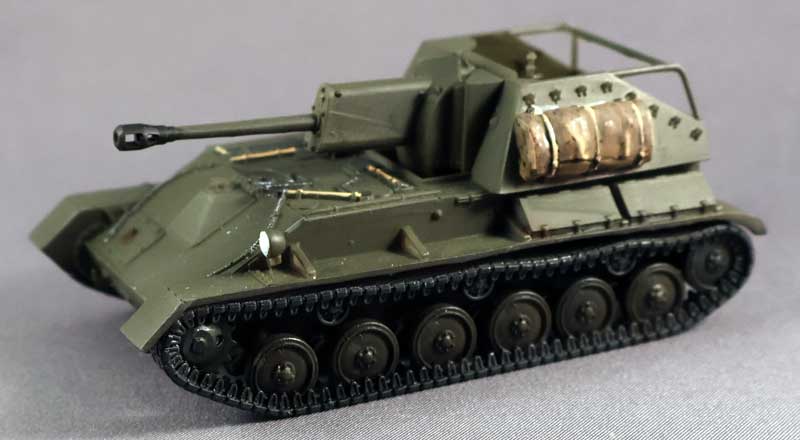
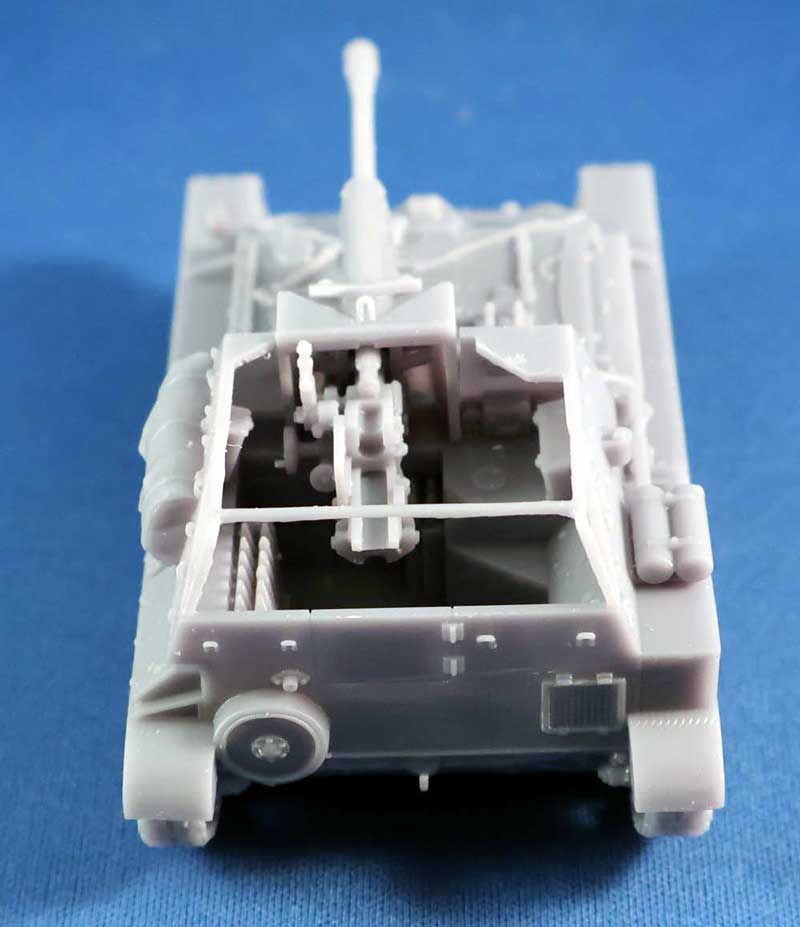
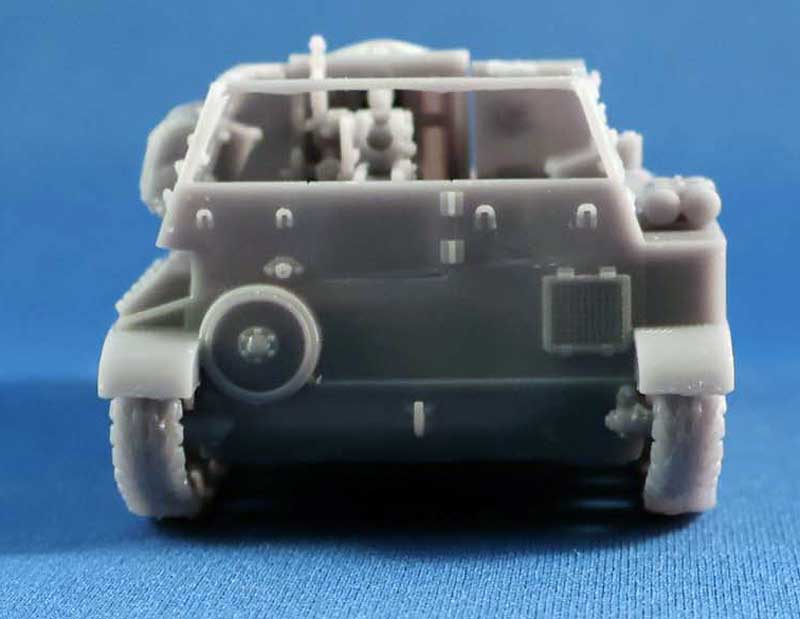
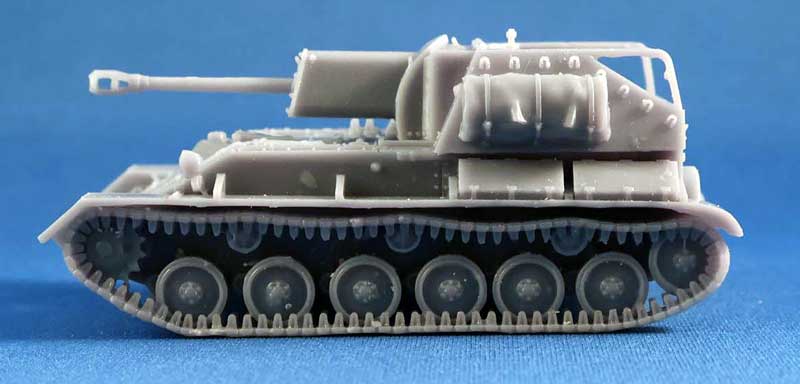
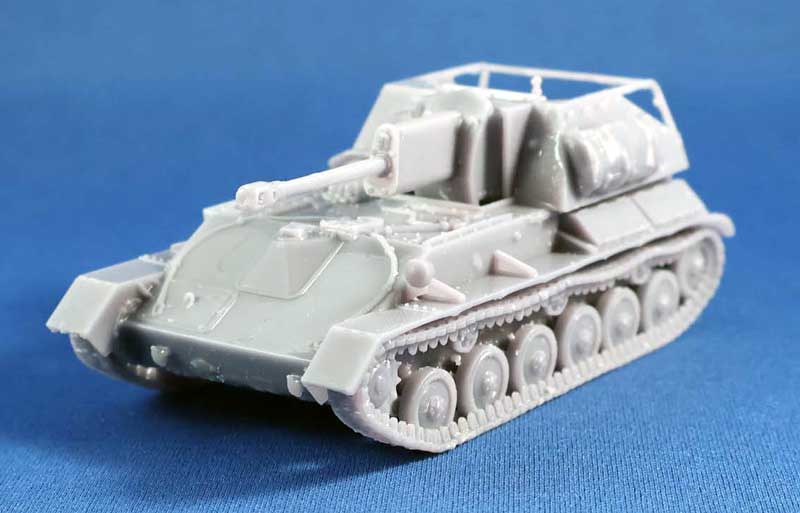
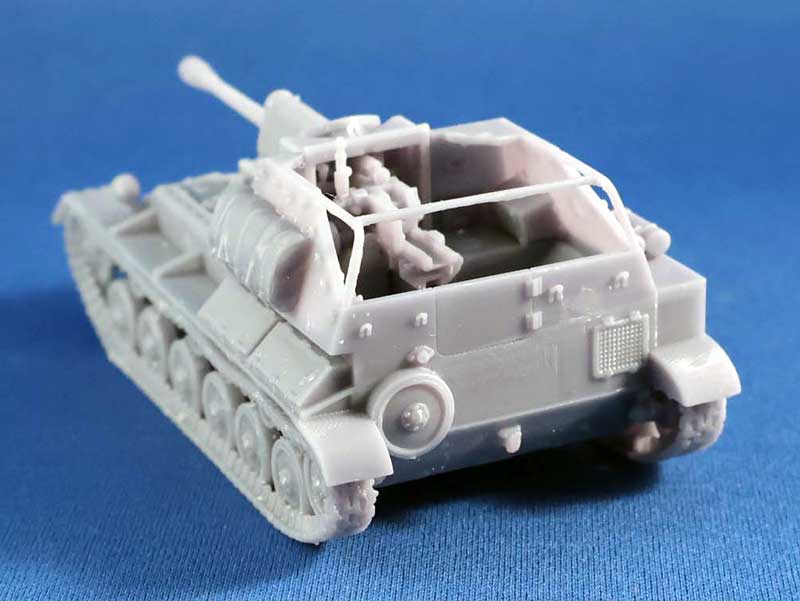
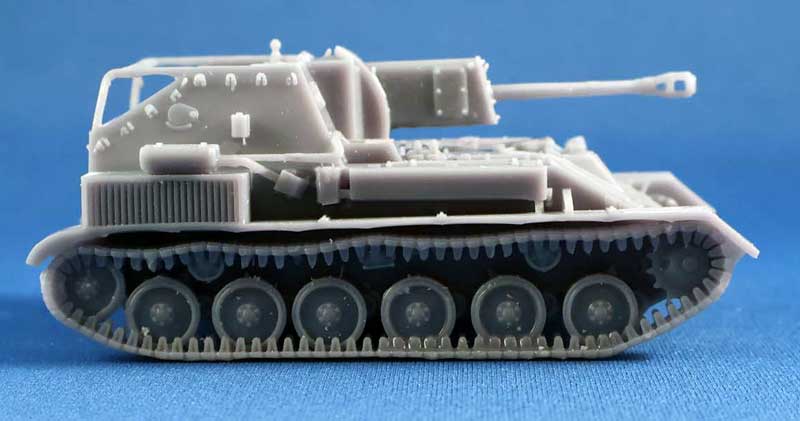
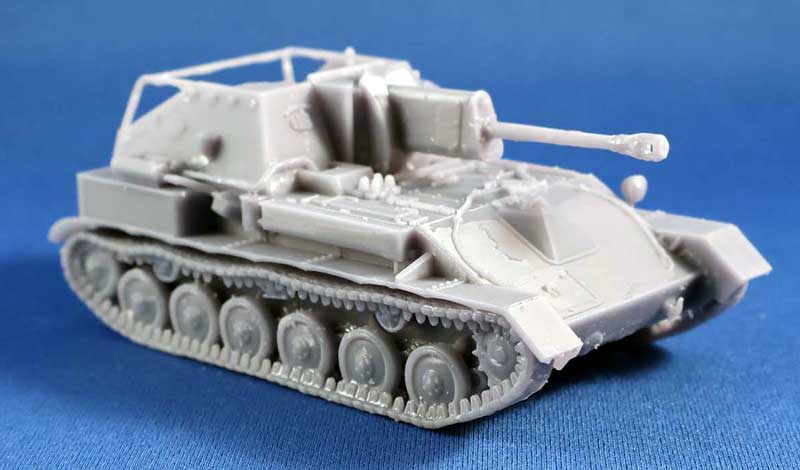
The SU‑76 was a light, turretless self‑propelled gun built on a lengthened T‑70 light tank chassis.
The SU‑76 is one of those vehicles that doesn’t get the glamour of a T‑34 or IS‑2, but it absolutely earned its place in Soviet history. It was the second‑most‑produced Soviet armored fighting vehicle of WWII, and for good reason: it was cheap, reliable, easy to maintain, and incredibly useful.
– Crew: 4
– Gun: 76.2 mm ZiS‑3 field gun
– Armor: Thin (10–35 mm)
– Speed: ~30–35 km/h
– Role: Infantry support, mobile artillery, light tank destroyer
It wasn’t meant to duel Panthers. It was meant to follow infantry, blast bunkers, and keep the advance rolling. In infantry support, it knocked out MG nests, blew apart AT guns, smashed buildings, and provided direct fire during assaults. As a tank destroyer, it was effective against light/medium armor. It used ambush tactics, avoiding frontal duels with heavy tanks. As mobile artillery, it could provide indirect fire and was often used as a “pocket howitzer” for rifle divisions.
It was the Soviet equivalent of a Swiss Army knife. Your Russian infantry need this support gun!
The first batches were issued to Self‑Propelled Artillery Regiments (SAP) attached to rifle divisions and Tank and mechanized corps for light SPG battalions. These units began receiving SU‑76Ms just before and during the Battle of Kursk (July 1943). By late 1943, it became common in rifle divisions and mechanized formations.
Please Note: Models are supplied in gray resin, cleaned, unpainted and with external supports removed. Decals not included. There may be small supports or “nubs” remaining in places like the tracks. These are best removed with a sharp knife. No sanding or filing is necessary (or recommended)!
Some assembly may be required–usually only wheels or tracks. Superglue works great, especially for small parts and repairs. For wheels, I recommend a 5-minute epoxy, but superglue works here, too.

Reviews
There are no reviews yet.